The starting point
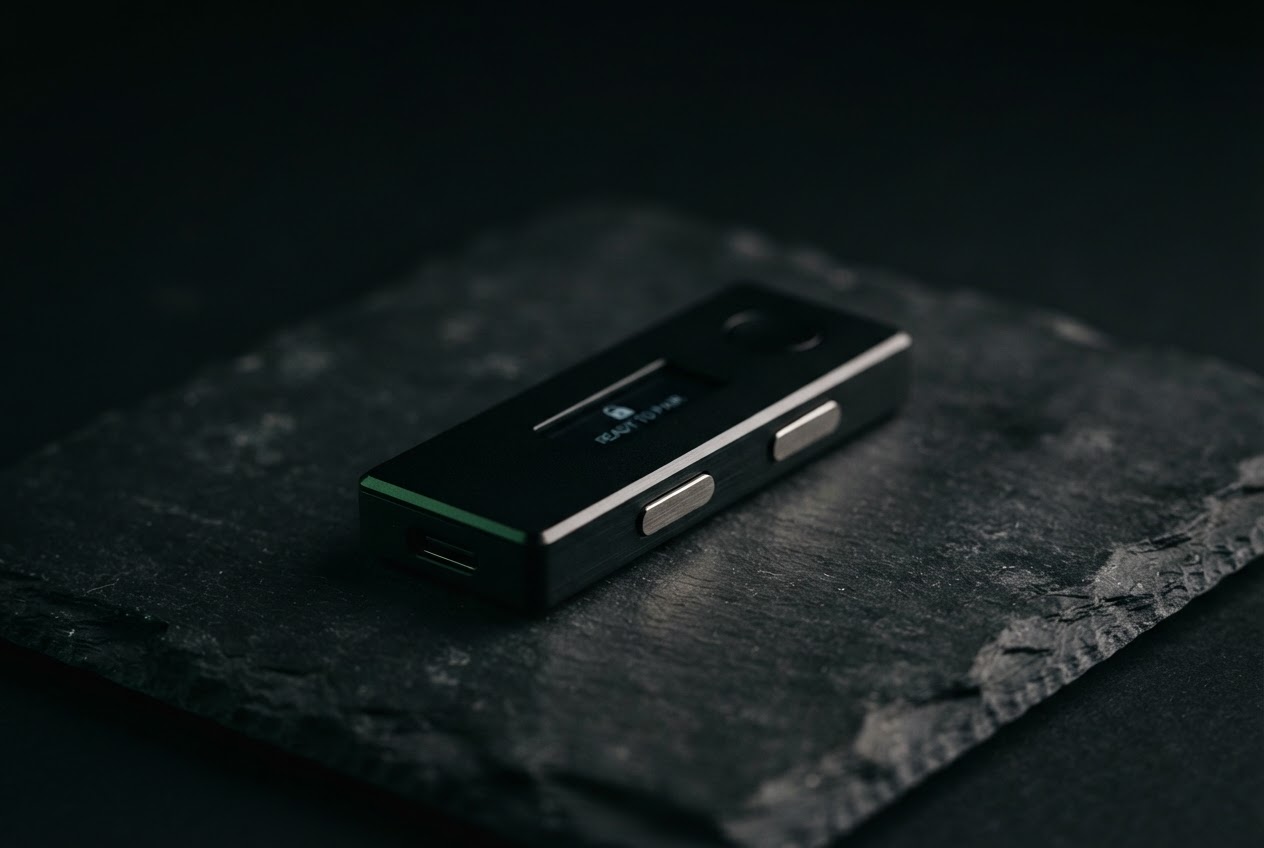
Searching for Ledger.com/start usually means a new hardware wallet is in hand — and a bigger question is taking shape: how do I take control without making a costly mistake?
A hardware wallet is designed to keep private keys isolated from an internet-connected computer or phone. It does not store coins inside the device; assets remain recorded on their respective networks. The device helps authorize transactions using keys that should stay under your control.
The start page is a doorway to setup resources and companion software. This guide is an independent orientation, not an official Ledger support page. Always verify the current instructions and downloads directly through Ledger’s official website before acting.
“Self-custody begins with a habit: pause, verify the source, then proceed.
FIELDNOTE 01
Preparation
Give yourself time and a quiet place. Setup is easier when you are not multitasking, being rushed by a message, or following instructions from an unfamiliar person on a call. Use a computer or phone you trust, update its operating system, and connect to a private network.
Check the packaging and device for signs of tampering, but remember that appearance alone cannot prove authenticity. Buy from a source you trust and use the manufacturer’s own verification guidance. A legitimate setup should let you initialize the device yourself. Be wary of a device that arrives with a recovery phrase already written down, pre-configured PIN, or instructions to enter a phrase into a website.
Make sure you understand the distinction between a PIN and a recovery phrase. A PIN protects access to the physical device; a recovery phrase can restore wallet access and must remain secret. Decide ahead of time where you can record and securely store recovery information offline.
The setup journey
Think of setup as a sequence of deliberate checkpoints, not a single download-and-go moment.
Begin at the source. Type the manufacturer’s address yourself or use a known bookmark. Check the domain spelling and the secure connection; do not follow sponsored search results, unsolicited direct messages, QR codes from unknown packaging inserts, or links from strangers. Navigate to the start or support area and follow the instructions currently published there.
Install the companion software only from an official channel. Confirm that the operating system and version match your device, then allow the application to guide initialization. The device’s own display should be treated as authoritative when setting its PIN and confirming actions. Read each prompt on the device rather than relying only on what appears on a computer screen.
Initialize as a new device when appropriate. Follow the on-device process to create a PIN and generate recovery words. Write the words in their exact order using the method recommended by the manufacturer. Keep them away from cameras, cloud notes, email, messaging apps, printers, and internet-connected storage. Do not photograph, scan, copy-paste, or type them into a computer or phone.
Complete the device’s recovery check. If setup offers an offline verification exercise, take it slowly and check every word and position. This is a useful chance to catch transcription errors while you are present and unhurried. After setup, learn how to receive a small test transaction safely before considering any larger transfer. Verify network, address, and amount on the device itself.
Verification
Look-alike domains, copied logos, counterfeit ads, and fake support accounts can make an unsafe page feel familiar. Verify the complete domain, not just a brand name in a page title. Download software only from the official source and check any publisher or authenticity details the manufacturer provides. When in doubt, close the page and navigate there independently.
During a transaction, confirm the destination address and network on the wallet’s own screen. Malware can replace an address copied on a computer. A familiar-looking address in an app is not enough if it differs from the address displayed by the device. Take extra care with approvals and smart-contract interactions: signing may authorize more than a simple transfer.
Source. Device screen. Destination.
Every time.
Security
Your recovery phrase is effectively a master key. Anyone who obtains it may be able to restore the wallet elsewhere and move assets without access to your device. Keep it private, offline, and out of sight. A PIN, password manager, or device lock cannot protect a phrase you have disclosed.
Never share the phrase with anyone claiming to be support, a broker, a moderator, or a security specialist. Real troubleshooting should not require it. Ignore urgent claims that funds are at risk unless you enter words into a link. Scammers use urgency to interrupt careful checking.
Keep your device and recovery record in separate secure locations appropriate to your circumstances. Consider physical risks such as loss, fire, water, and unauthorized access. Security is also a usability question: choose storage you can find when needed, but others cannot casually access. Avoid explaining the location publicly or labeling a record in a way that advertises what it contains.
Recovery information
Recovery words are not a password reset and there is no central help desk that can recreate them. Their privacy and legibility matter. Write them carefully, verify spelling and order, and keep the physical record protected from casual discovery and environmental damage. Follow the device maker’s official guidance for durable storage options, and make any backup only if you can secure it to the same standard.
Do not store a digital copy, even temporarily. Avoid cloud drives, password-protected documents, screenshots, photos, voice recordings, and “encrypted” notes on connected devices. A digital trail can be synced, backed up, or exposed by malware. If your phrase has been seen, photographed, typed online, or shared, treat it as compromised and consult official security guidance from a trusted device. Never paste it into a recovery checker found through search.
Common mistakes
Most beginner problems are not technical mysteries. They are small moments where a person skips a check, trusts the wrong source, or lets someone else set the pace.
- 01Entering recovery words online
A setup page, chat, or pop-up that requests them is a major warning sign. Stop and verify independently.
- 02Following a link from an unsolicited message
Impersonators can make convincing support profiles. Navigate through an official channel instead.
- 03Skipping the recovery check
A phrase recorded out of order may fail when you need it. Verify it during initial setup.
- 04Trusting a computer screen alone
Check the transaction details shown on the hardware wallet before confirming.
- 05Moving a large amount first
Learn the flow with a small test transaction and confirm receipt before proceeding.
Final checklist
Before calling setup complete, pause for one last review. A calm, repeatable process is more valuable than speed.
- ✓I reached the official source independently and checked the domain.
- ✓I initialized the device myself and confirmed prompts on its screen.
- ✓I recorded and verified recovery words offline; I did not share or digitize them.
- ✓I know where recovery information is stored and how to keep it private.
- ✓I will verify addresses, networks, and approvals before signing.
- ✓I will consult official guidance from a trusted device if anything feels wrong.
This independent educational guide is not affiliated with, endorsed by, or operated by Ledger. It is not financial advice or a substitute for current manufacturer instructions. Product interfaces and security guidance may change; consult Ledger’s official resources directly.